




1) Honey and “cancer-like” diseases in the ancient world
Honey was considered both a food and a medicine in ancient civilizations; it was one of the primary healing agents, especially for wounds, inflammations, and skin lesions. Egyptian papyri mention honey in hundreds of prescriptions; they record the use of poultices prepared with honey and oil to cleanse the area, reduce infection, and soften tissue in cases of tumors/ulcers. In Hittite culture, honey held significant importance in rituals and healing practices as well as its economic value. Hippocrates and Roman physicians used honey as a supportive agent in ulcers, wounds, and inflammations; honey-based mixtures like "oxymel" became the standard in medicine. In short, ancient times viewed honey not directly as a "cancer cure," but as a substance that aided in the care of tumorous/ulcerative tissue.
2) The anticancer potential of honey in modern science.
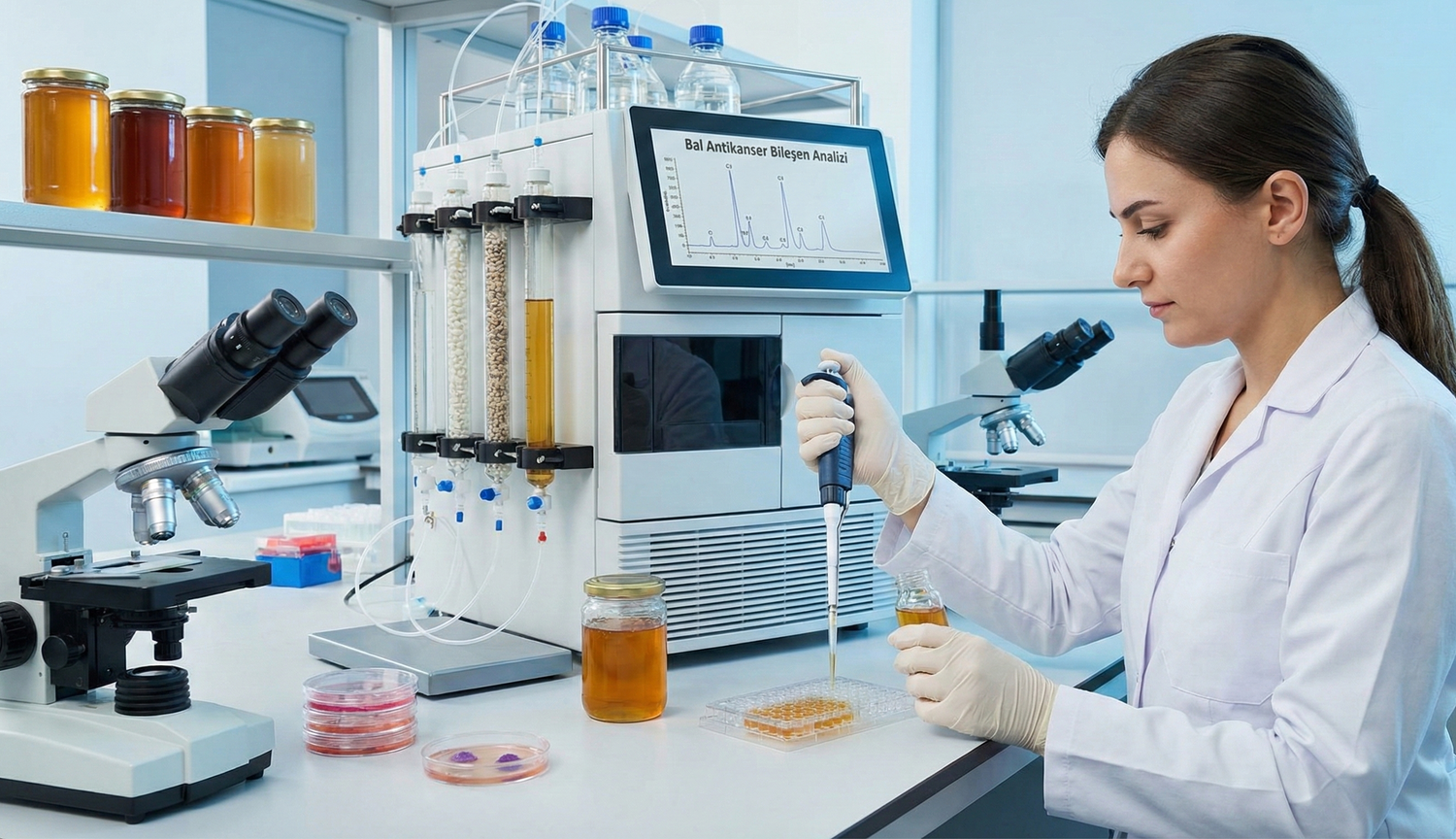
Current research suggests that honey, thanks to its bioactive components, may influence certain steps in cancer biology.
- In cell culture (in vitro) studies, honey can demonstrate effects such as slowing proliferation, halting the cell cycle, and triggering apoptosis (programmed cell death) in many cancer cell lines.
- In animal (in vivo) studies, some types of honey have slowed tumor growth or reduced tumor number. These effects are mostly explained by antioxidant/anti-inflammatory mechanisms and modulation of cellular signaling pathways.
- Clinical evidence is still limited: There are no robust, standardized clinical protocols proving honey's direct effectiveness as an anticancer treatment in humans. Therefore, honey can currently be considered at most a complementary-supportive food, not a "replacement" for primary treatment.
3) Bioactive components and why isn't all honey the same?
Honey is a mixture of over 200 compounds. Those that stand out for their anticancer potential include:
- Phenolics/flavonoids: A major source of antioxidant and anti-inflammatory capacity; in high doses, they can create pro-oxidant stress in tumor cells and promote apoptosis.
- Hydrogen peroxide and enzymes: This is the fundamental mechanism of honey's antimicrobial effect; it is particularly noticeable with topical use. The phenolic profile of honey changes as its flora and altitude vary; therefore, darker, phenolic-rich honeys generally have higher biological activity.
4) Astragalus and other monofloral honeys
Honeys with a single flora predominance, such as astragalus, are being investigated for their high phenolic content and potential to influence gene expression (e.g., Bcl-2/p53 relationship) in specific cell lines. Similarly, phenolicly potent honeys such as thyme and oak/honeydew have been reported to exhibit a more pronounced apoptotic effect in some cancer cells. However, most of these findings are still at the laboratory/preliminary level; it is not clinically clear what dose is beneficial or harmful.
5) The supportive role of honey in cancer treatment side effects.
The strongest clinical evidence for honey is seen in superficial side effects such as oral mucositis associated with chemotherapy/radiotherapy . Many studies show that oral care with honey can reduce the severity and duration of mucositis, lower the risk of infection, and facilitate the patient's nutrition. Therefore, honey's most realistic role in the clinic is not so much in directly "treating the tumor" but rather in "alleviating the burden of the treatment process."
6) Claims about alternative medicine and things to watch out for.
Absolute claims that honey "cures cancer" are not scientifically supported. The most important concern is honey's high sugar content : under certain conditions, the sugar load could theoretically negatively affect tumor metabolism. Therefore, honey consumption by cancer patients should be considered in moderation and under medical supervision . Although honey's potential is promising, evidence-based medicine currently views it as a complementary element .
If we connect it to elixir balls…
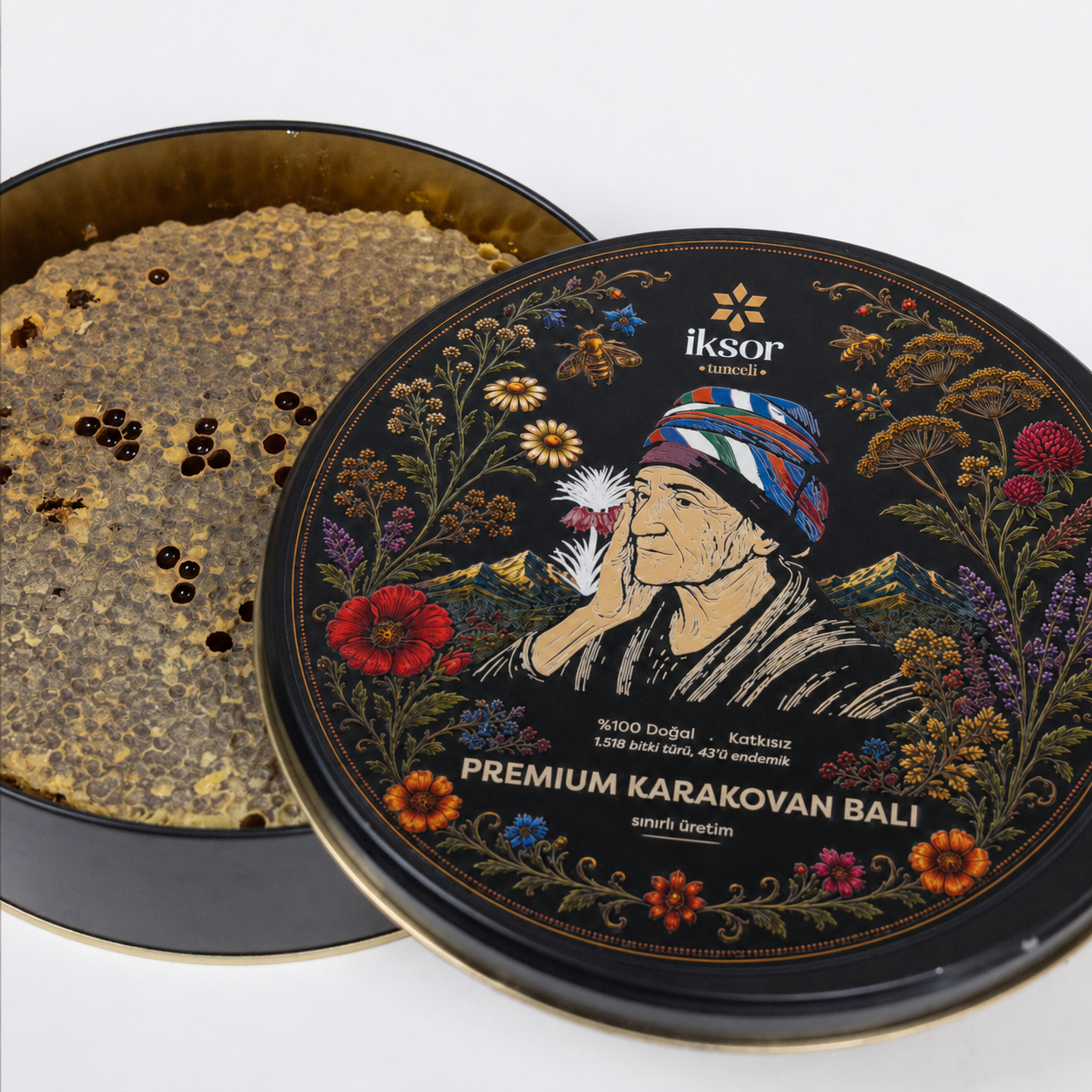
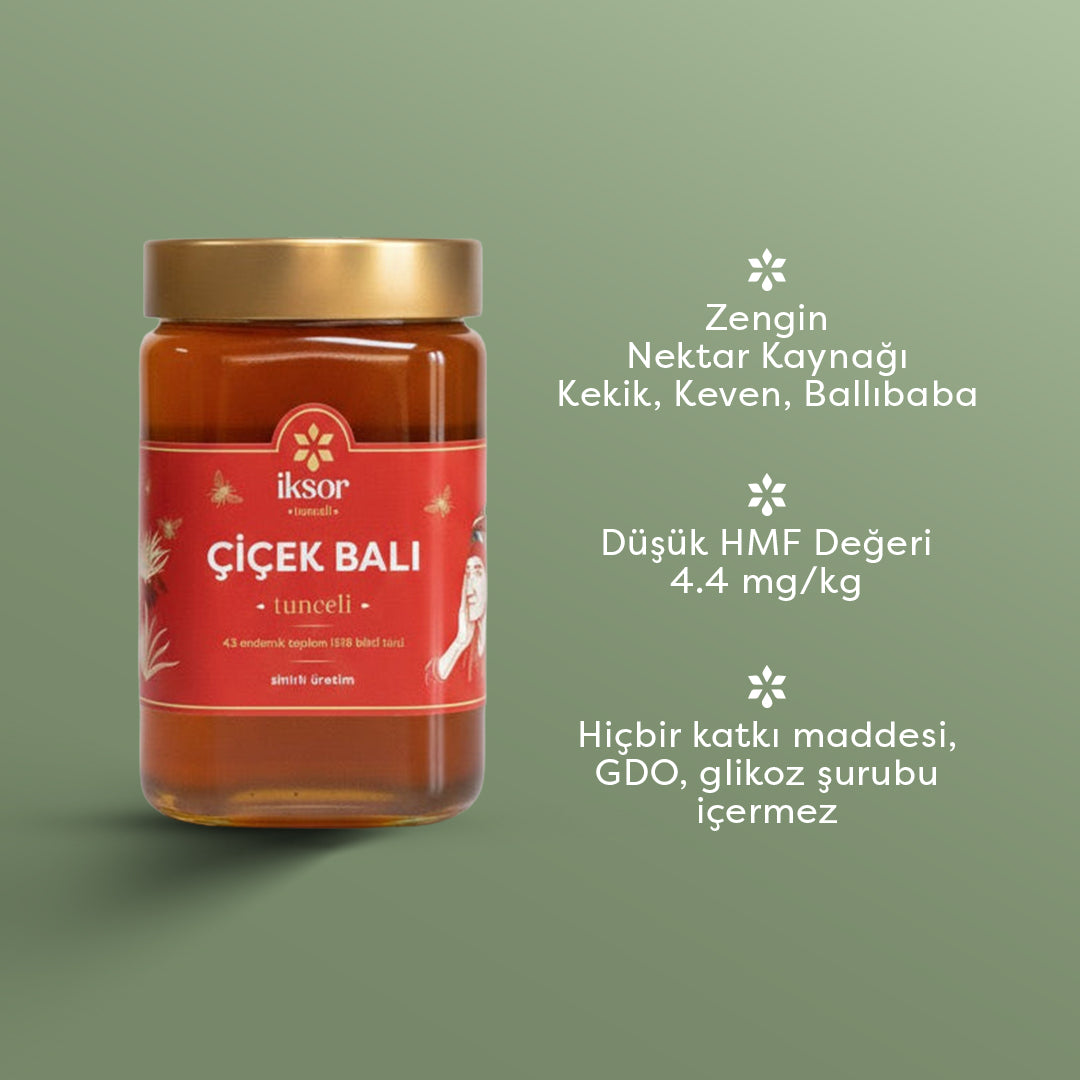
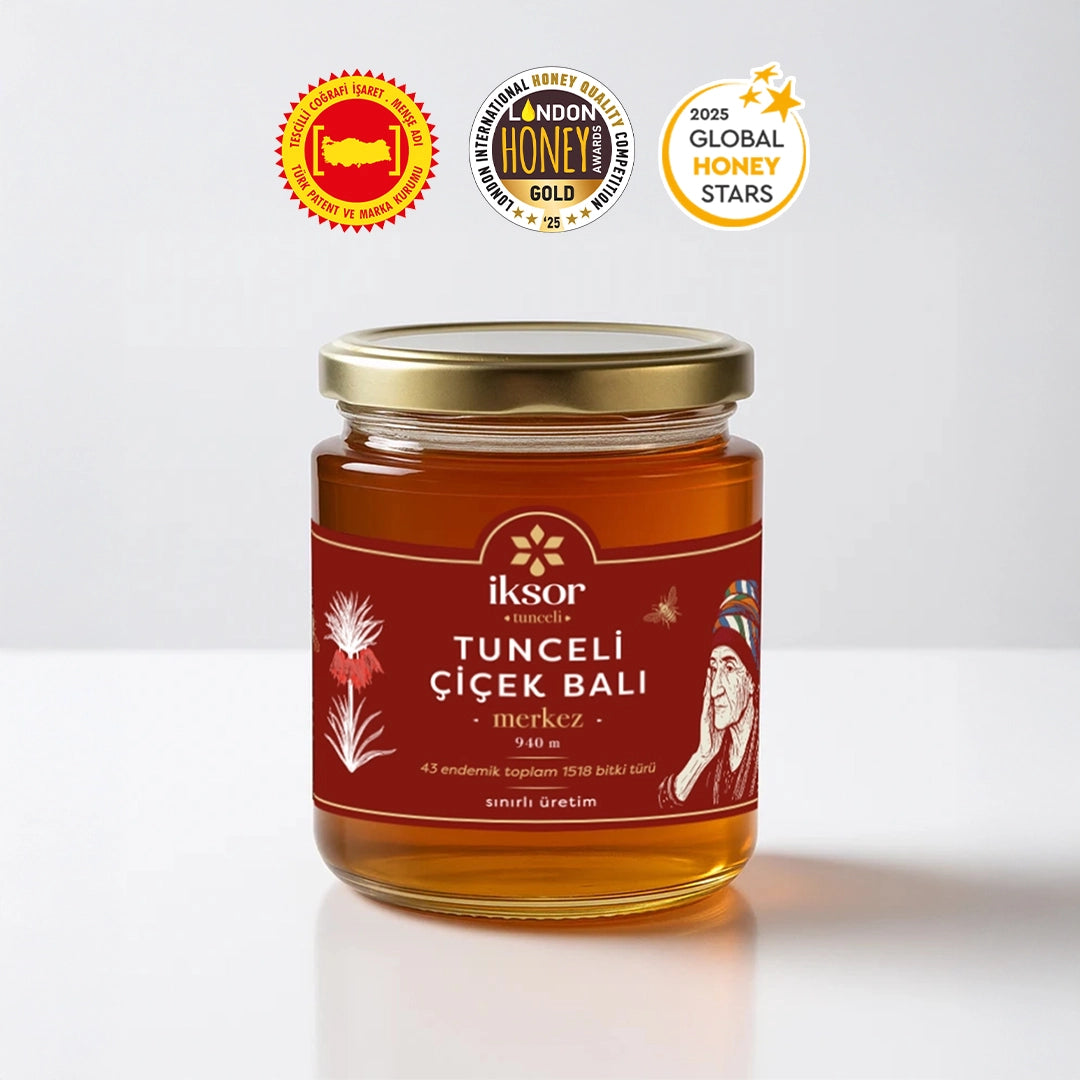
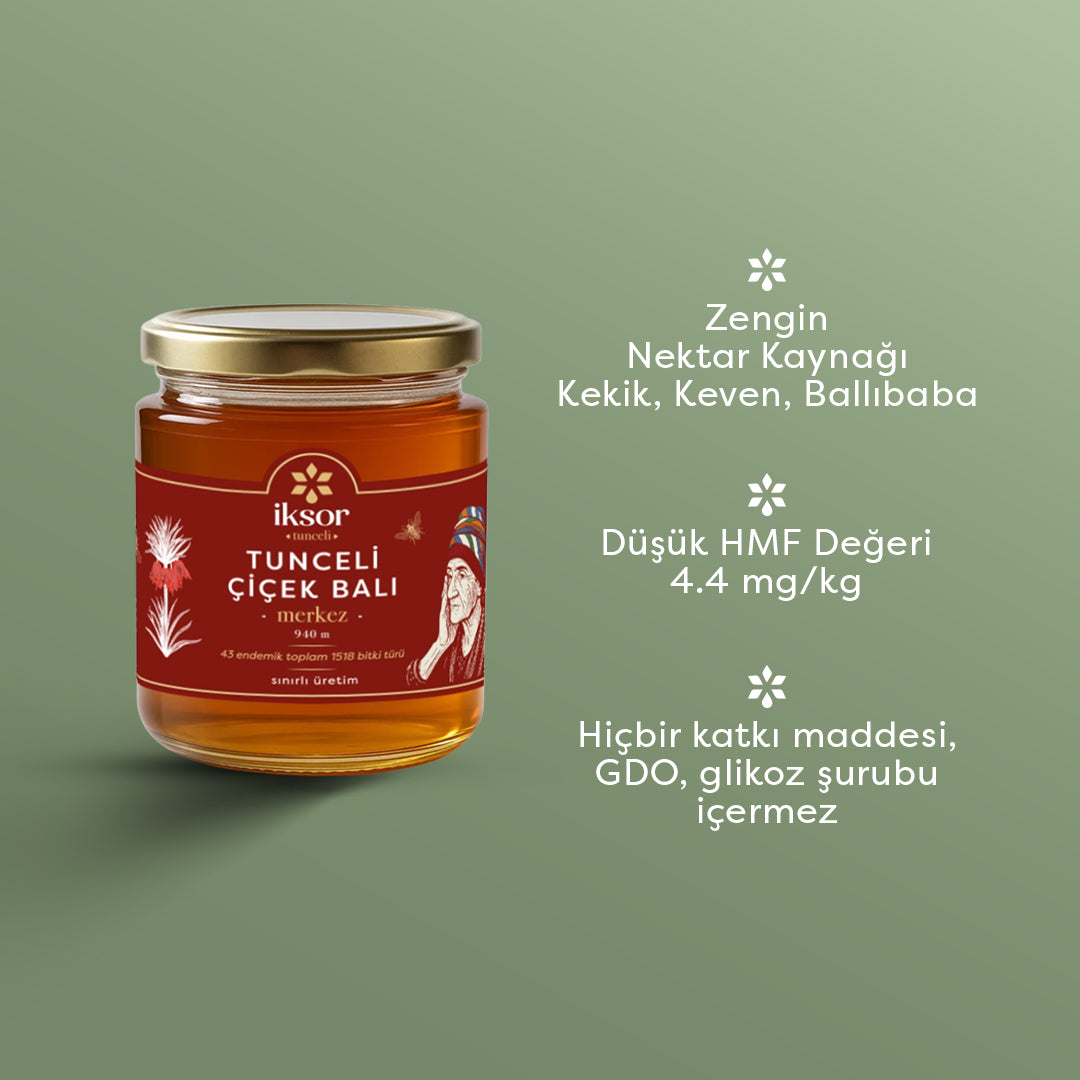
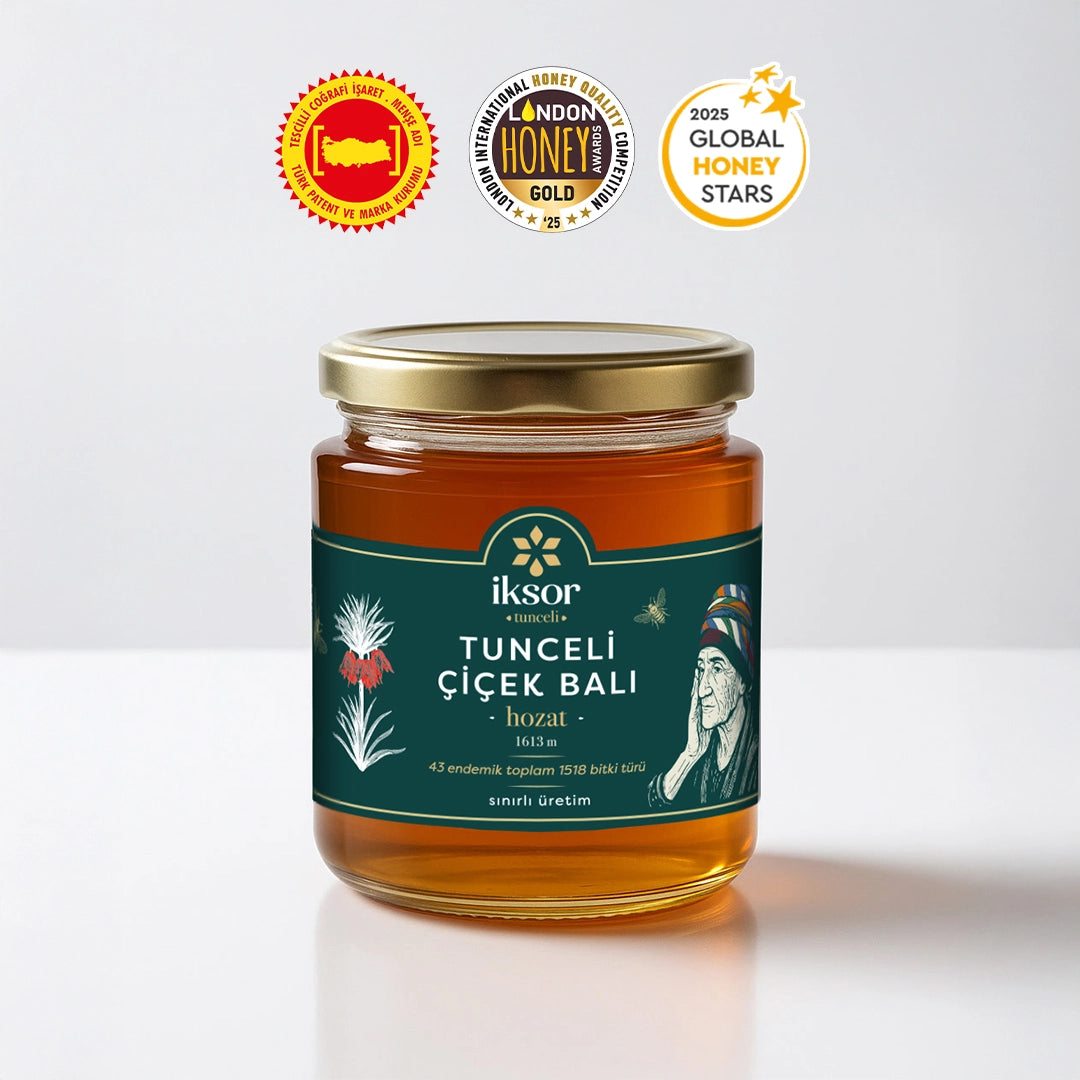
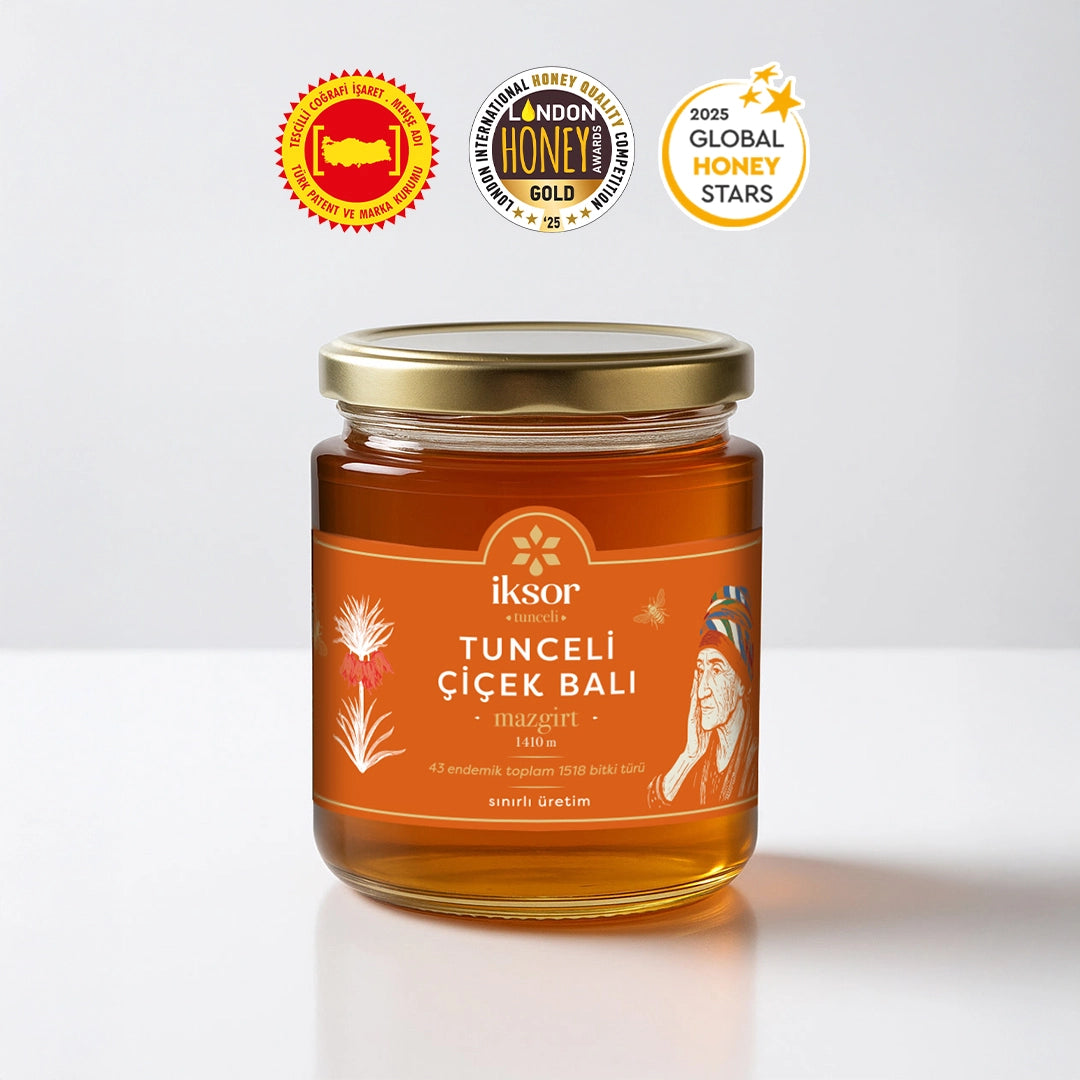
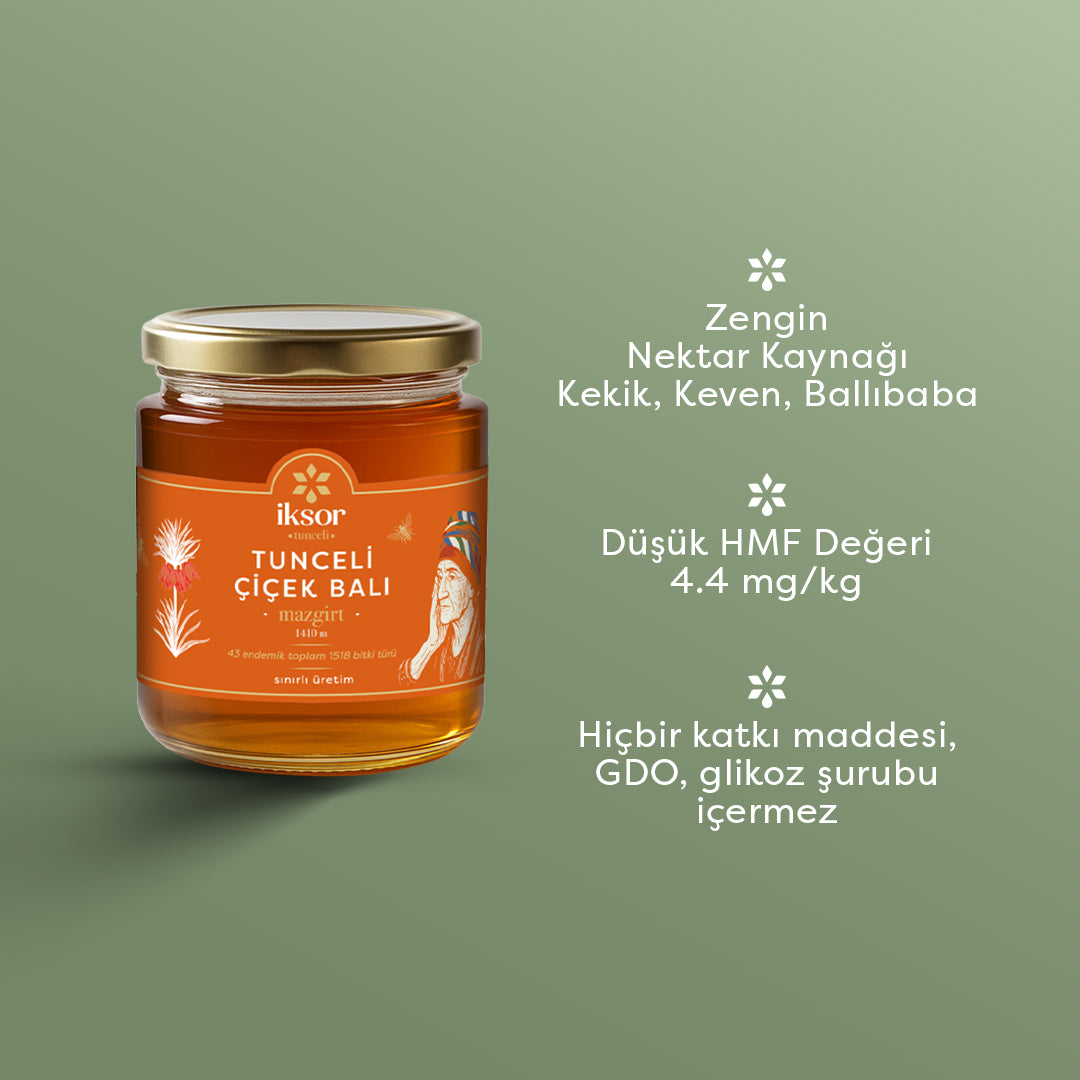
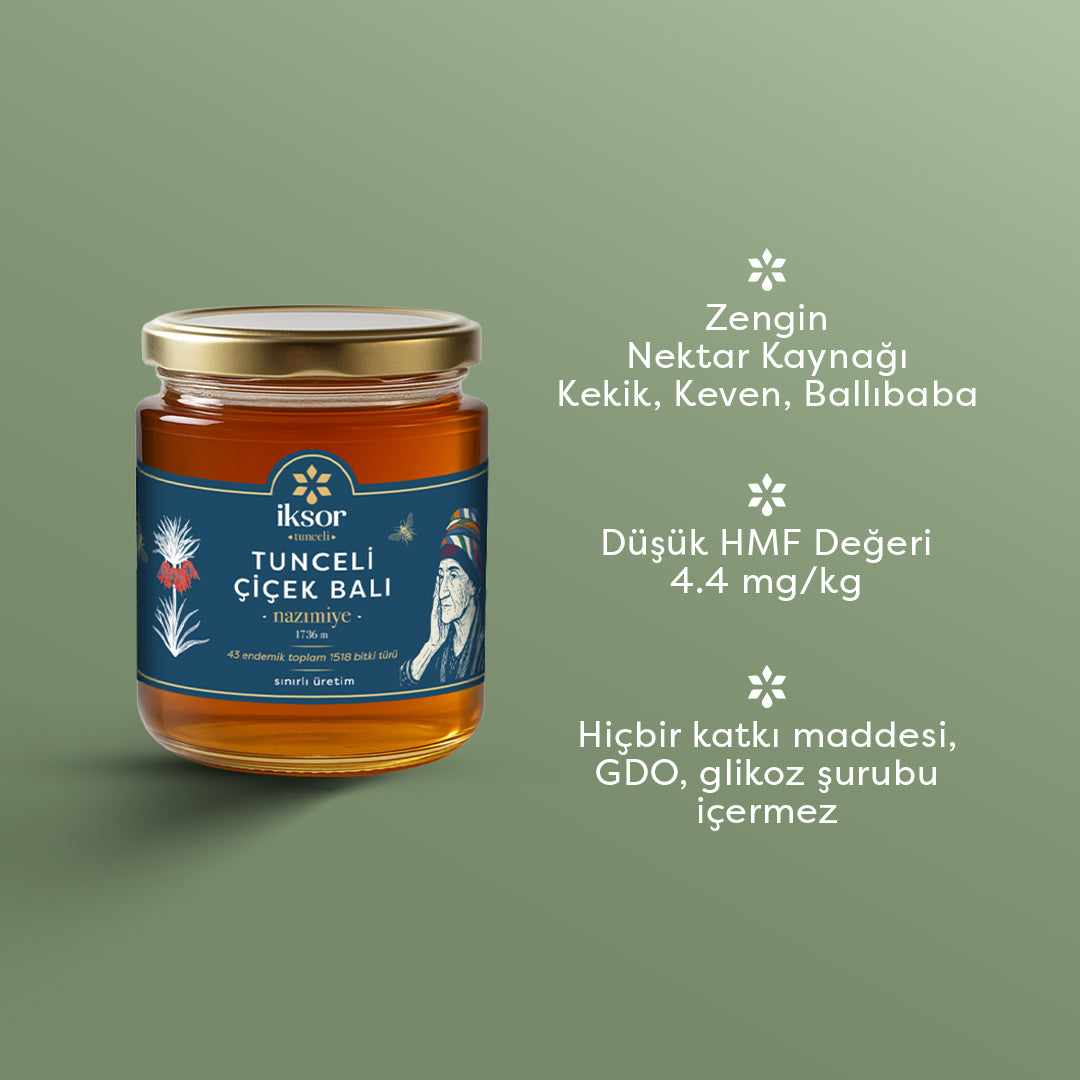
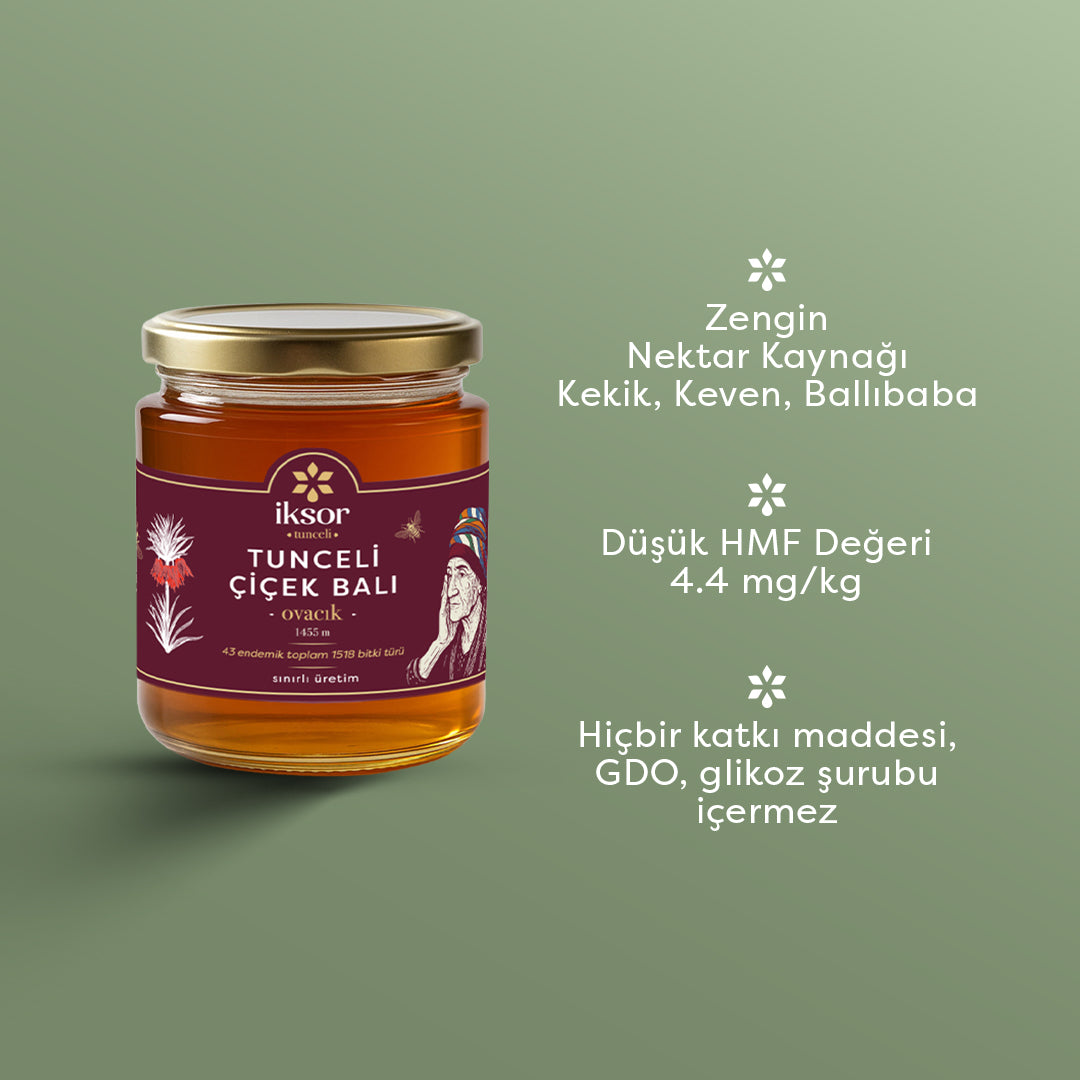
This general framework tells us that the medicinal value of honey does not stem from "miracle" narratives, but from its flora, its phenolic richness, and the principle of correct dose-correct context . This is precisely where the story of Iksor gains meaning. The high-altitude, endemic plant diversity of the Munzur line produces a multi-floral nectar profile and a naturally phenolic-rich honey character. In other words, Iksor honeys are based on an ecology that brings together the "healing care" role attributed to honey since ancient times with modern science: the complexity of nature creates a rich content that cannot be reduced to a single compound.
Of course, iksor (or any honey) is not a "cancer cure"; such a claim would be neither scientifically nor ethically correct. But what iksor offers is this: a scientifically explainable quality profile, consistent with the supportive value that honey has historically carried, thanks to its clean flora + high altitude + strong polyphenol profile . In short, the power of iksor lies not in a "miracle promise"; it lies in the genuine biological richness produced by the geography and the bee together.