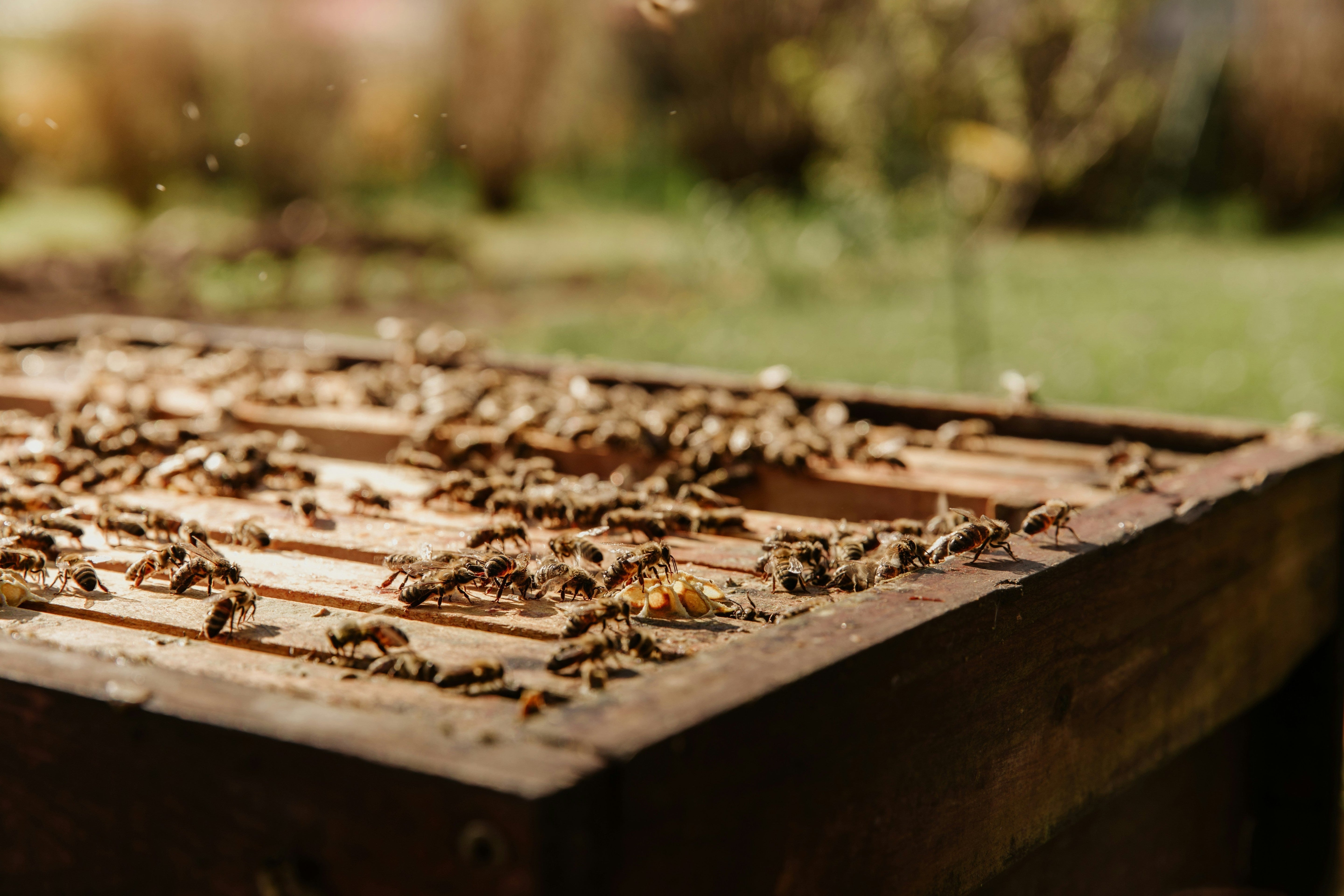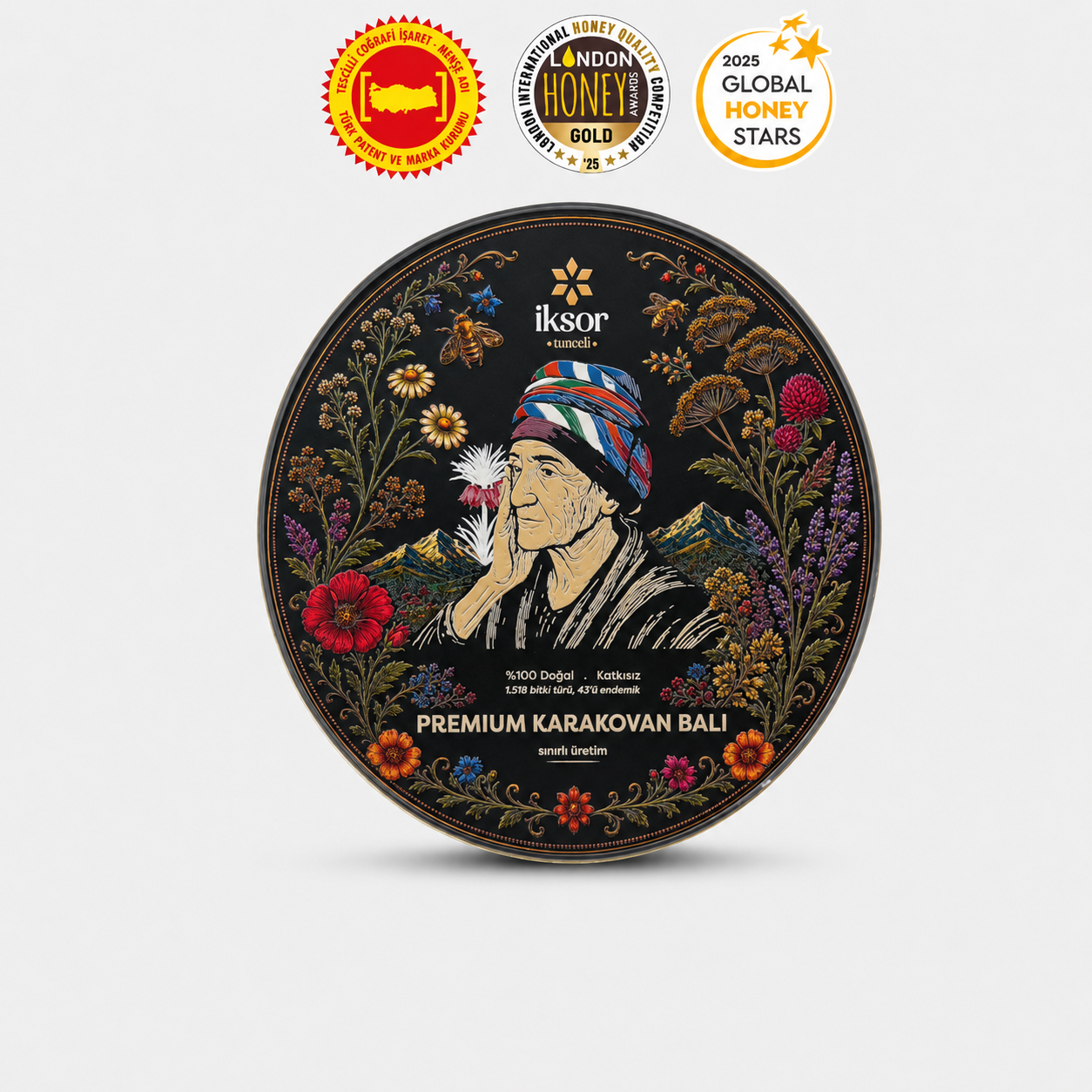
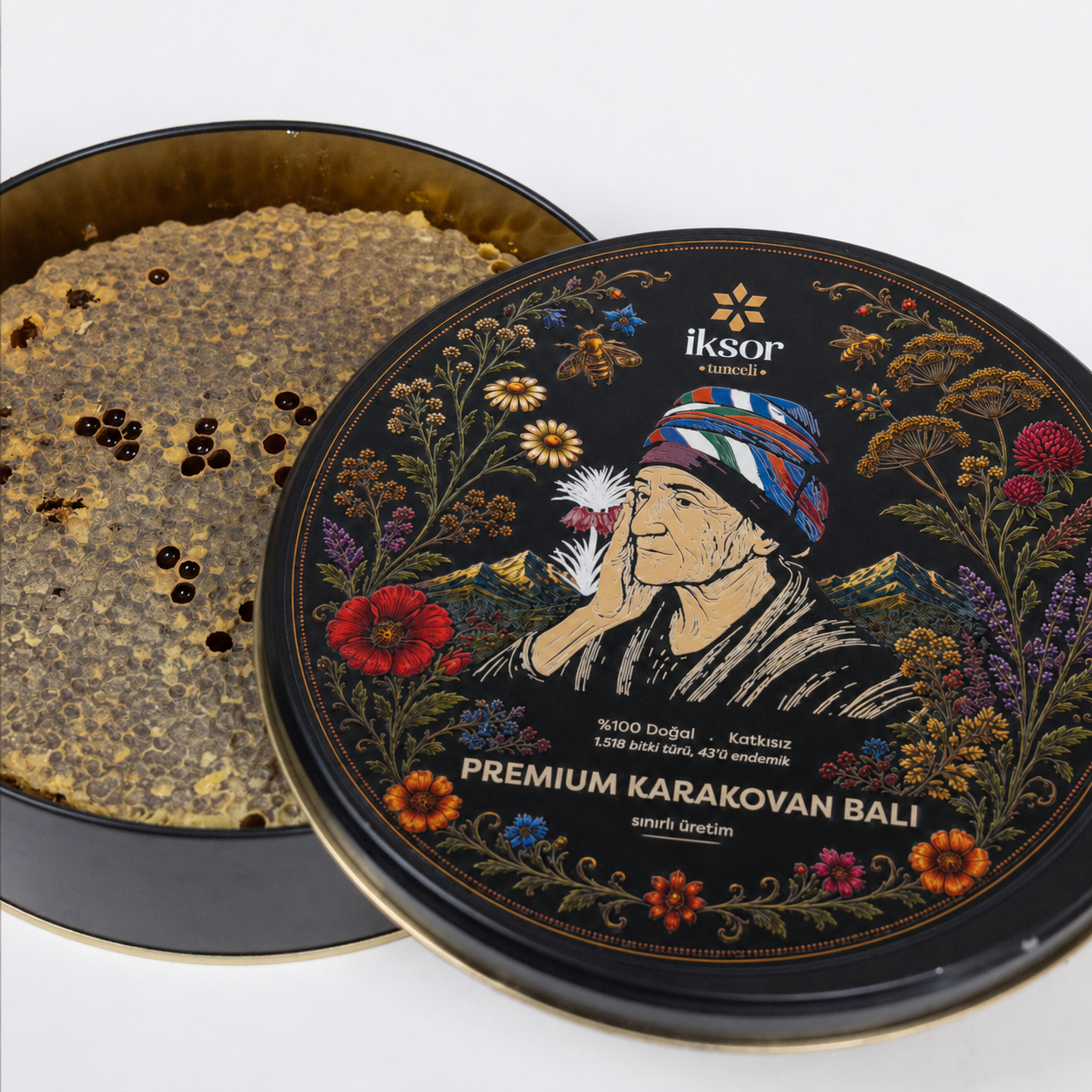
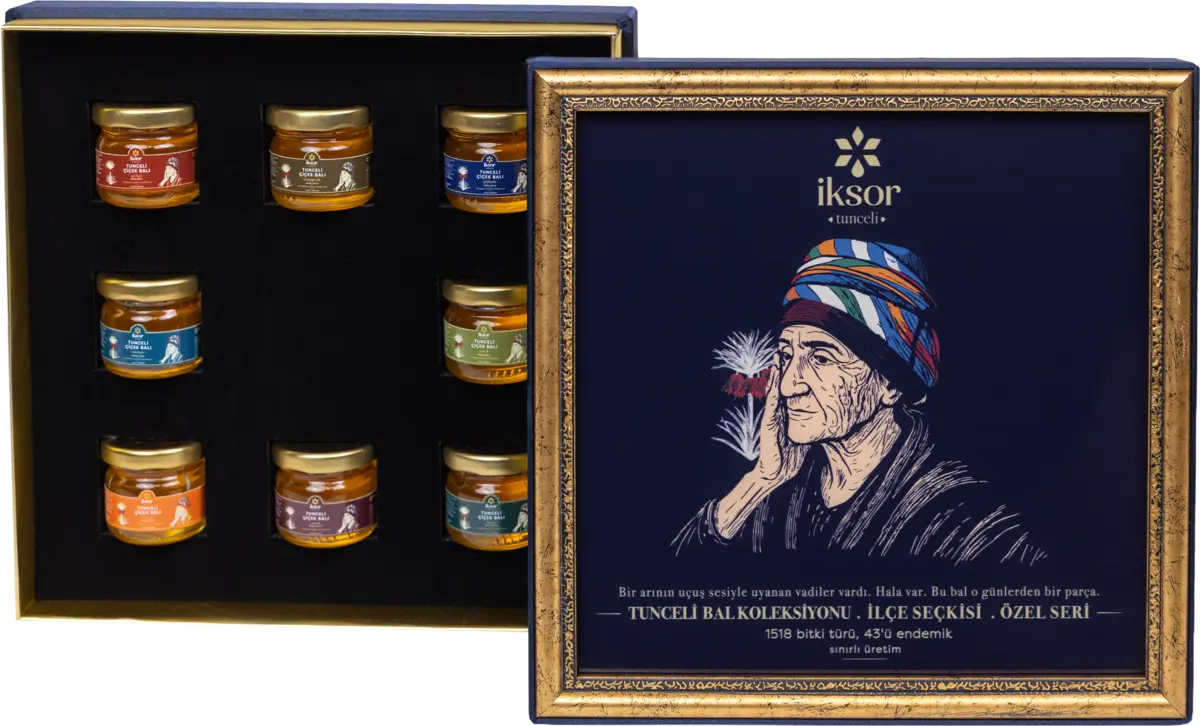
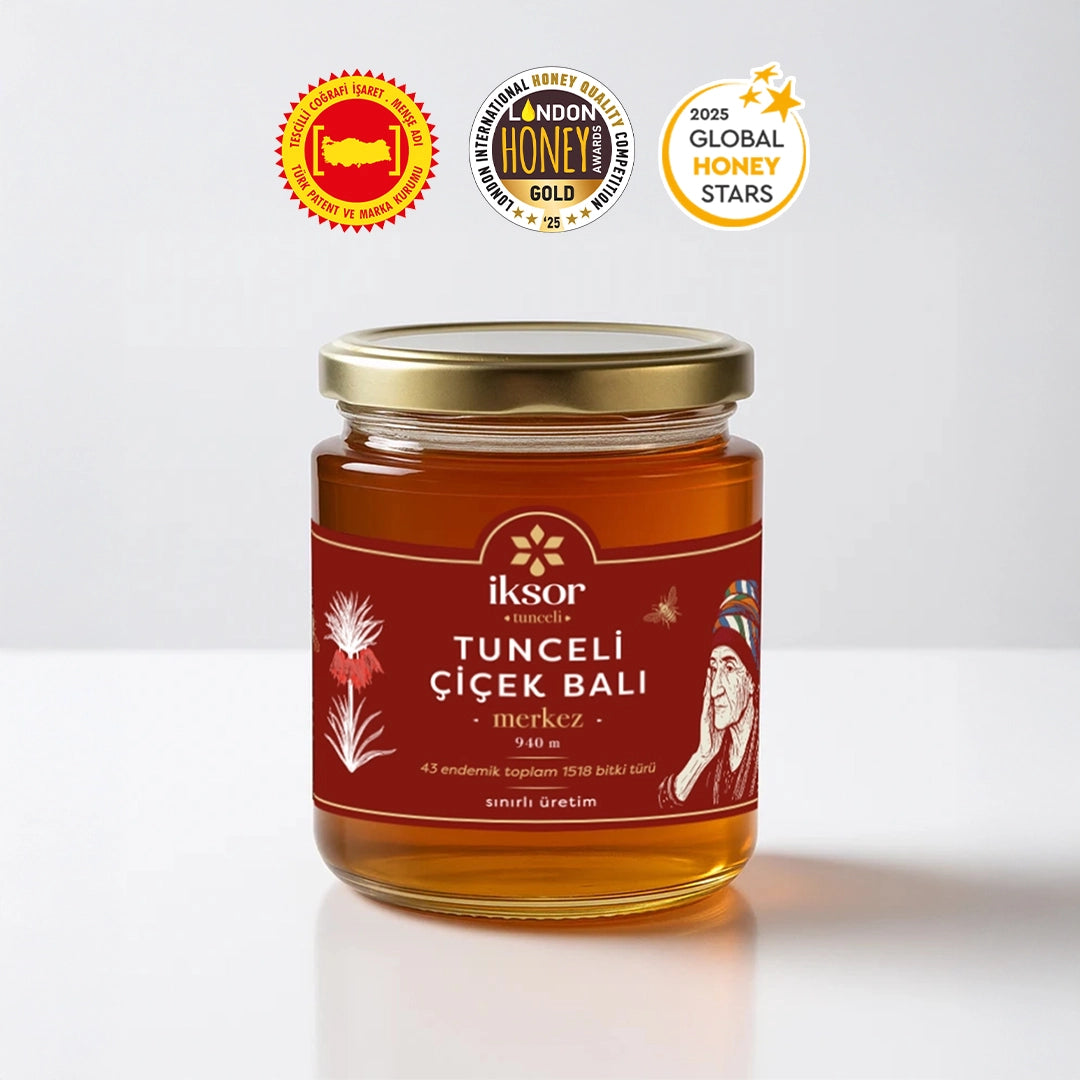
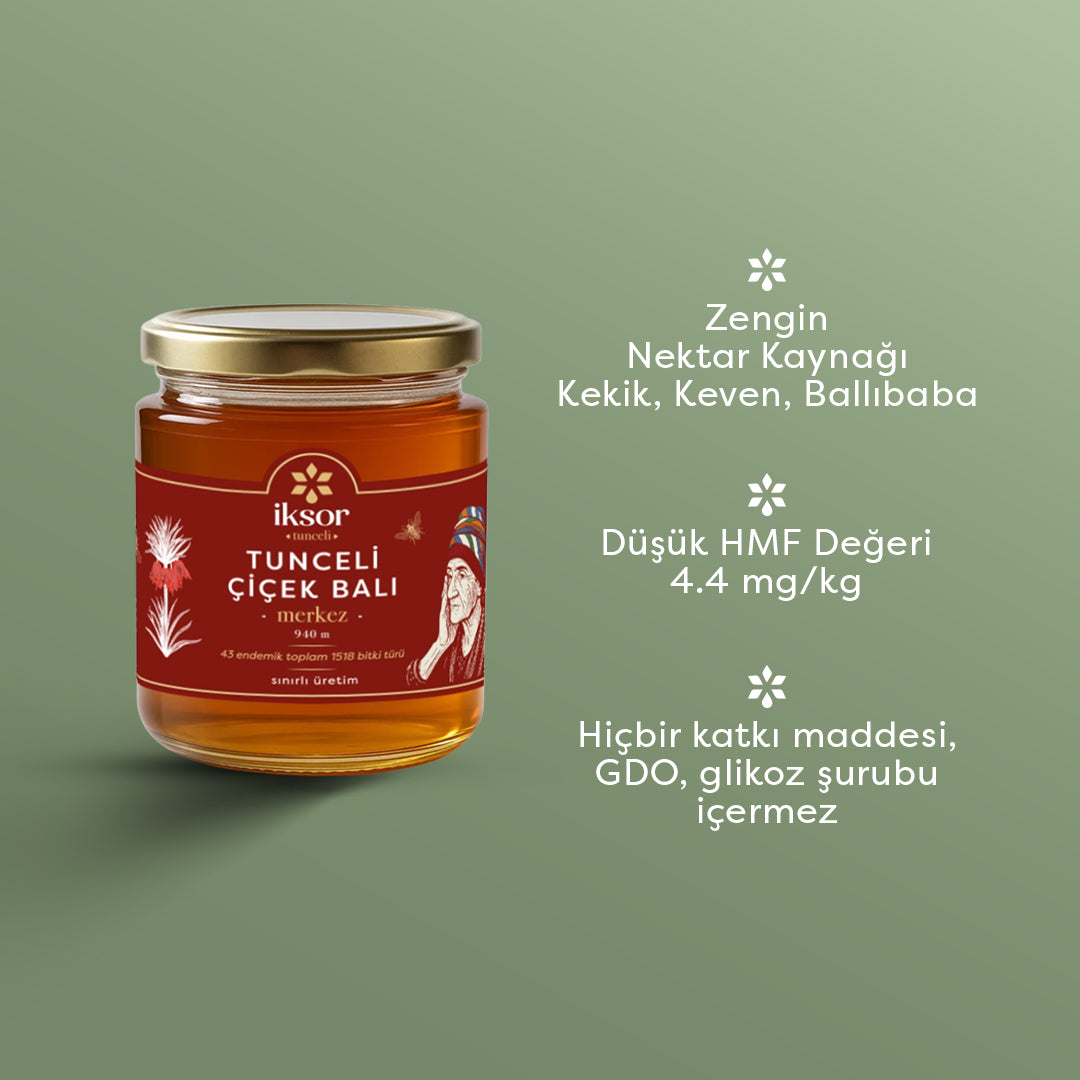
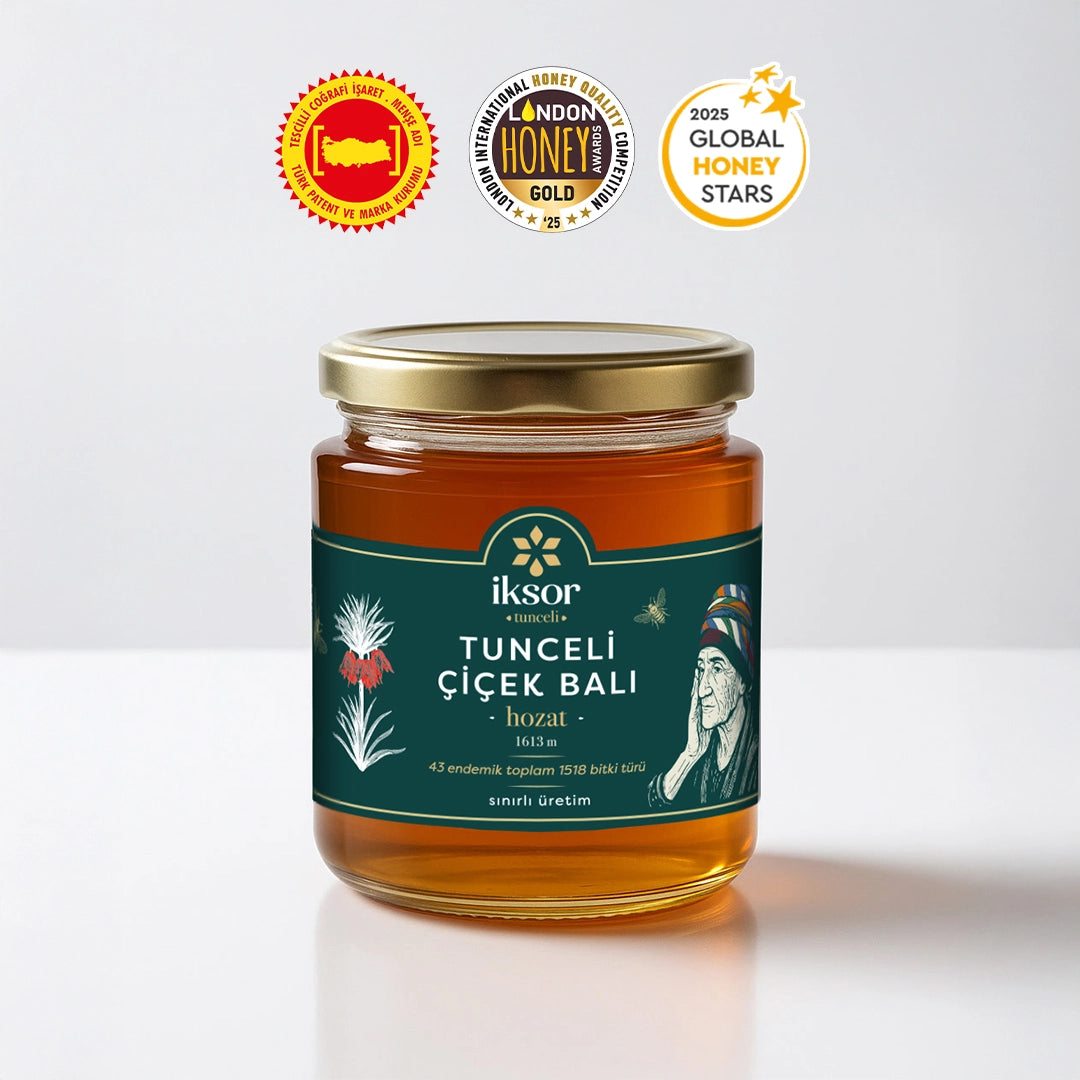

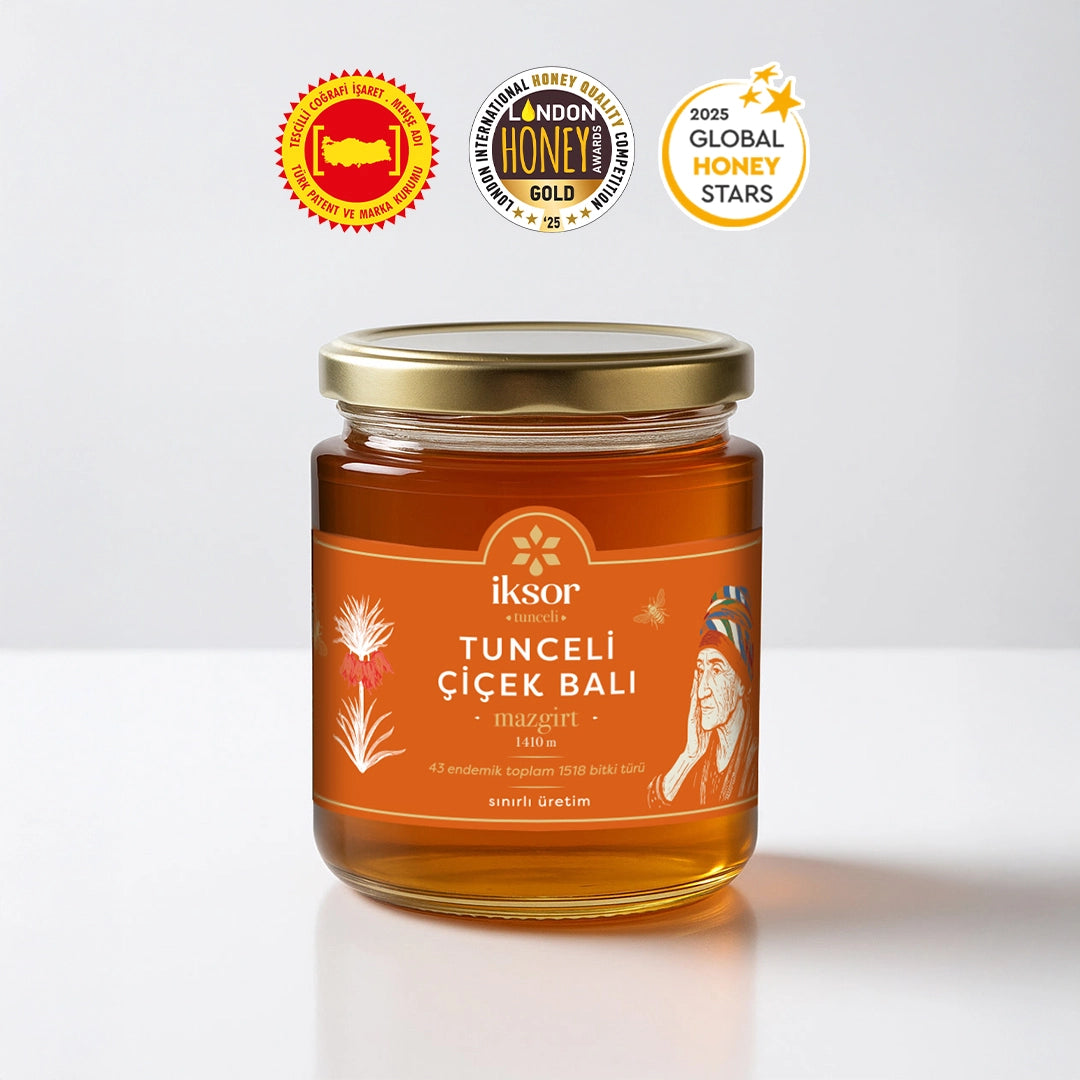
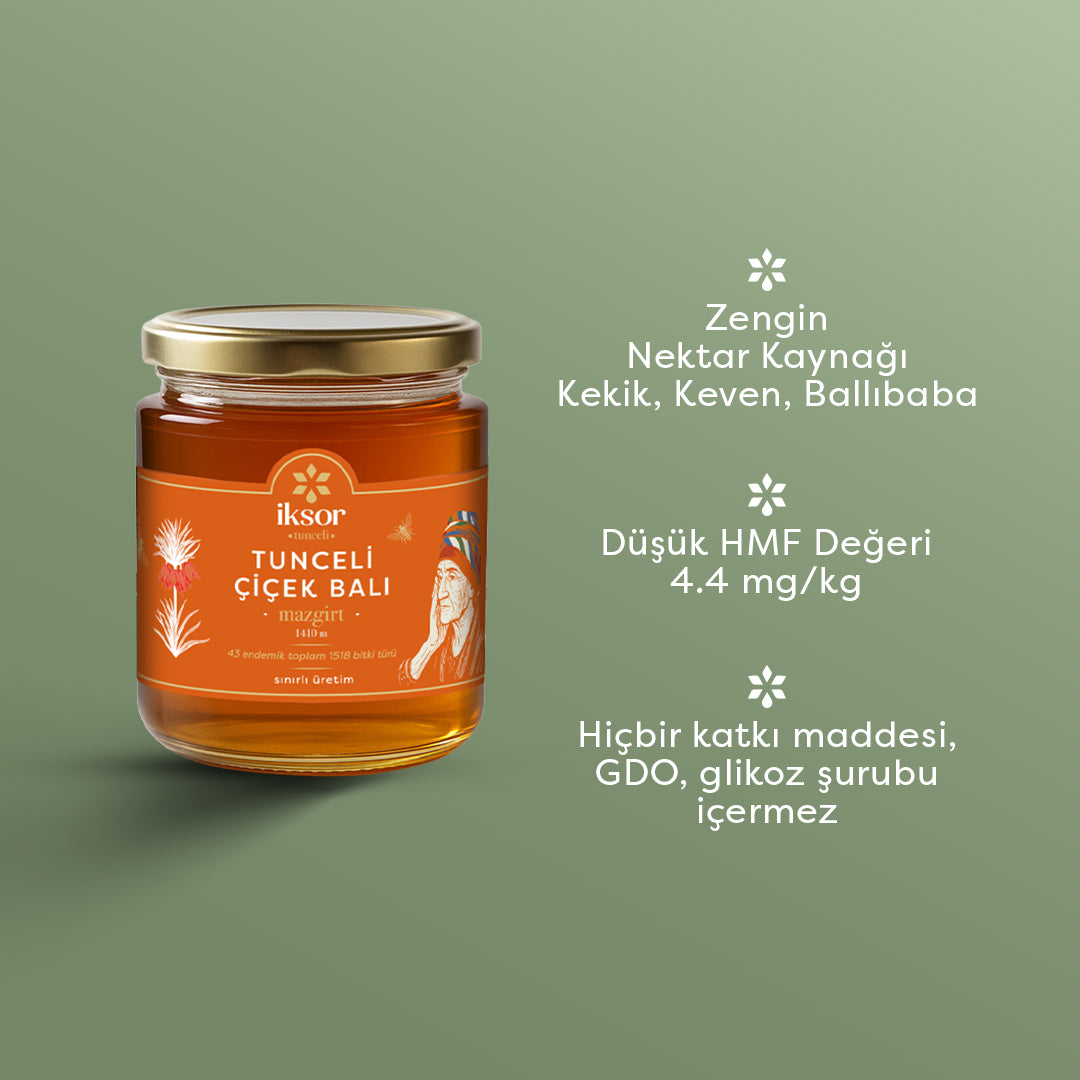
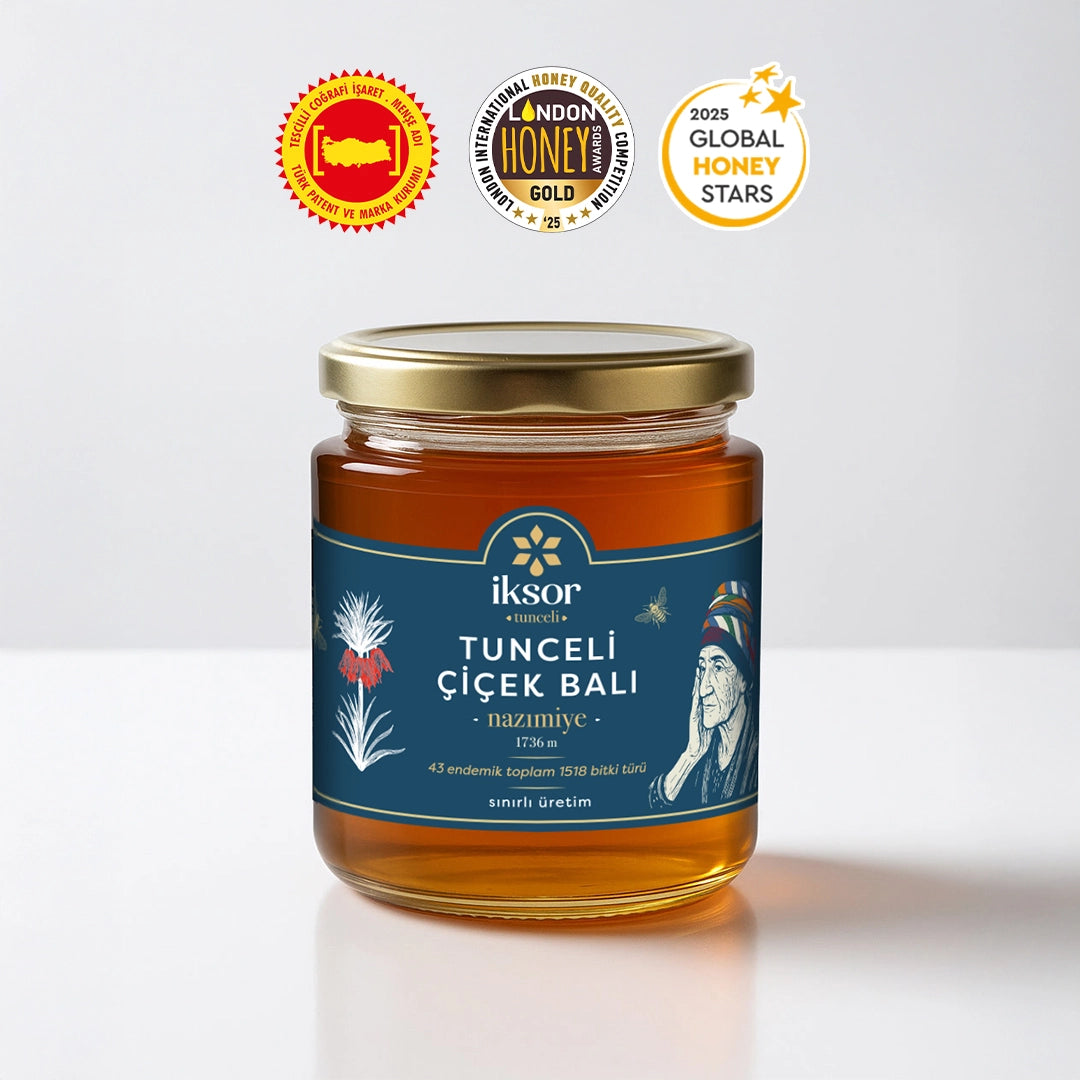
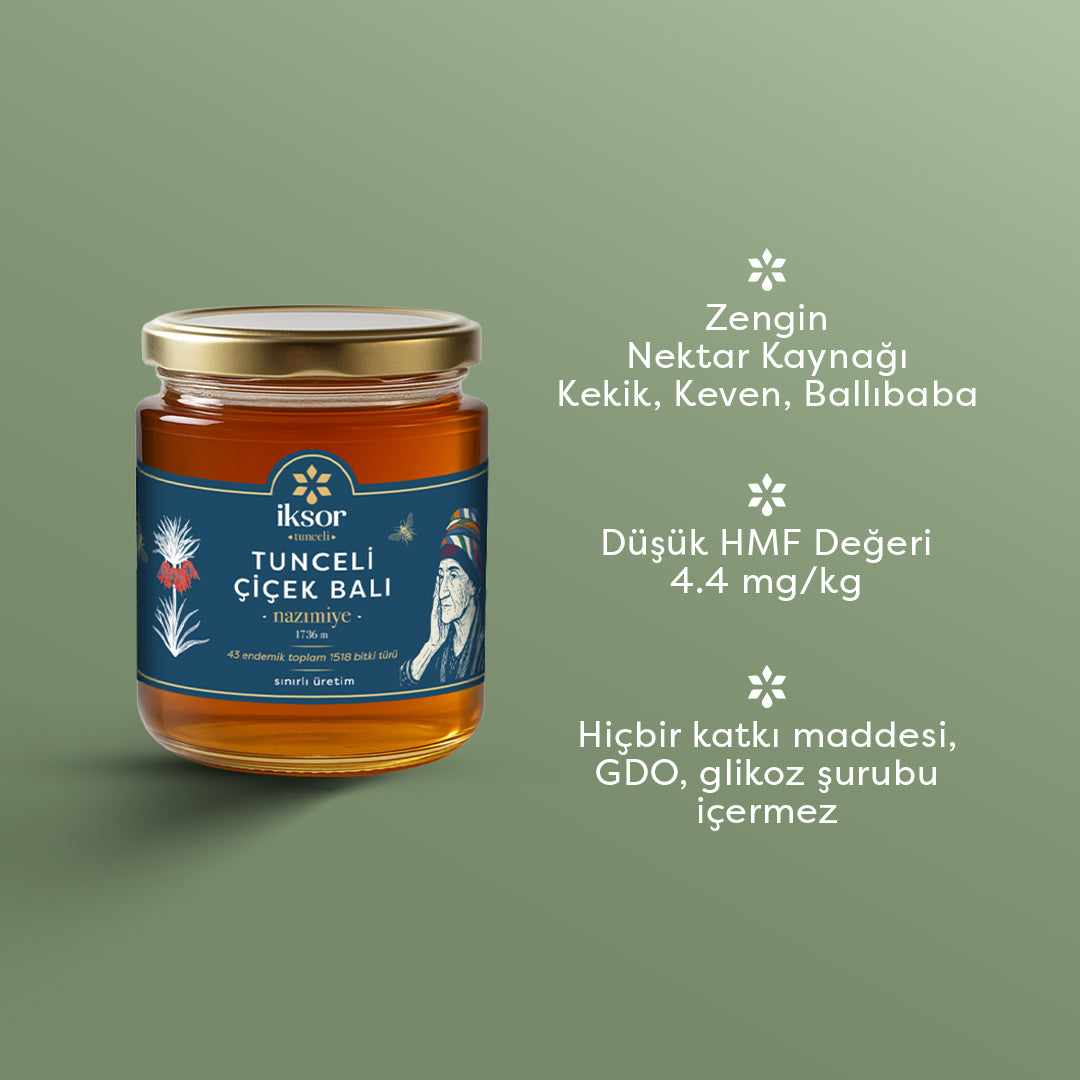
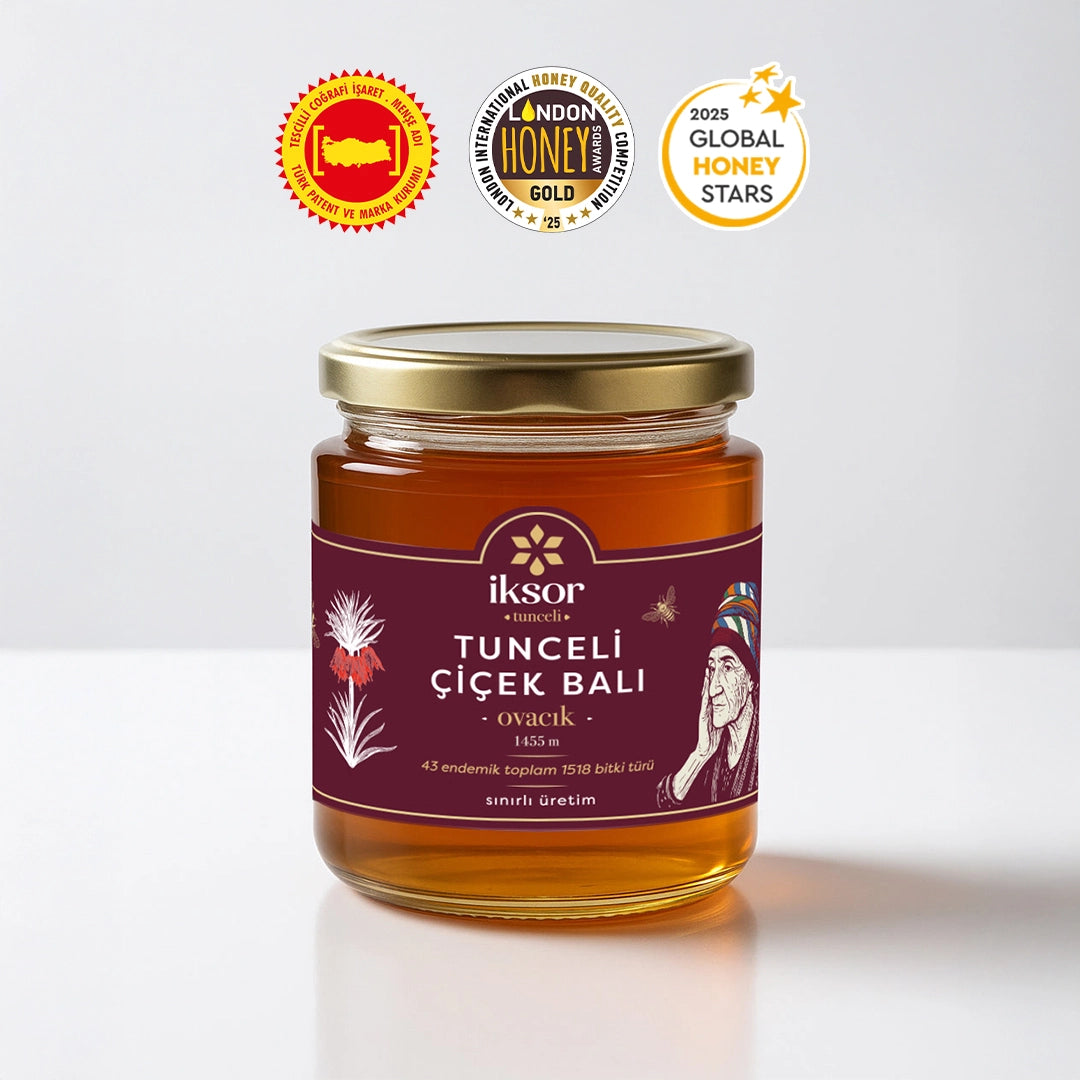
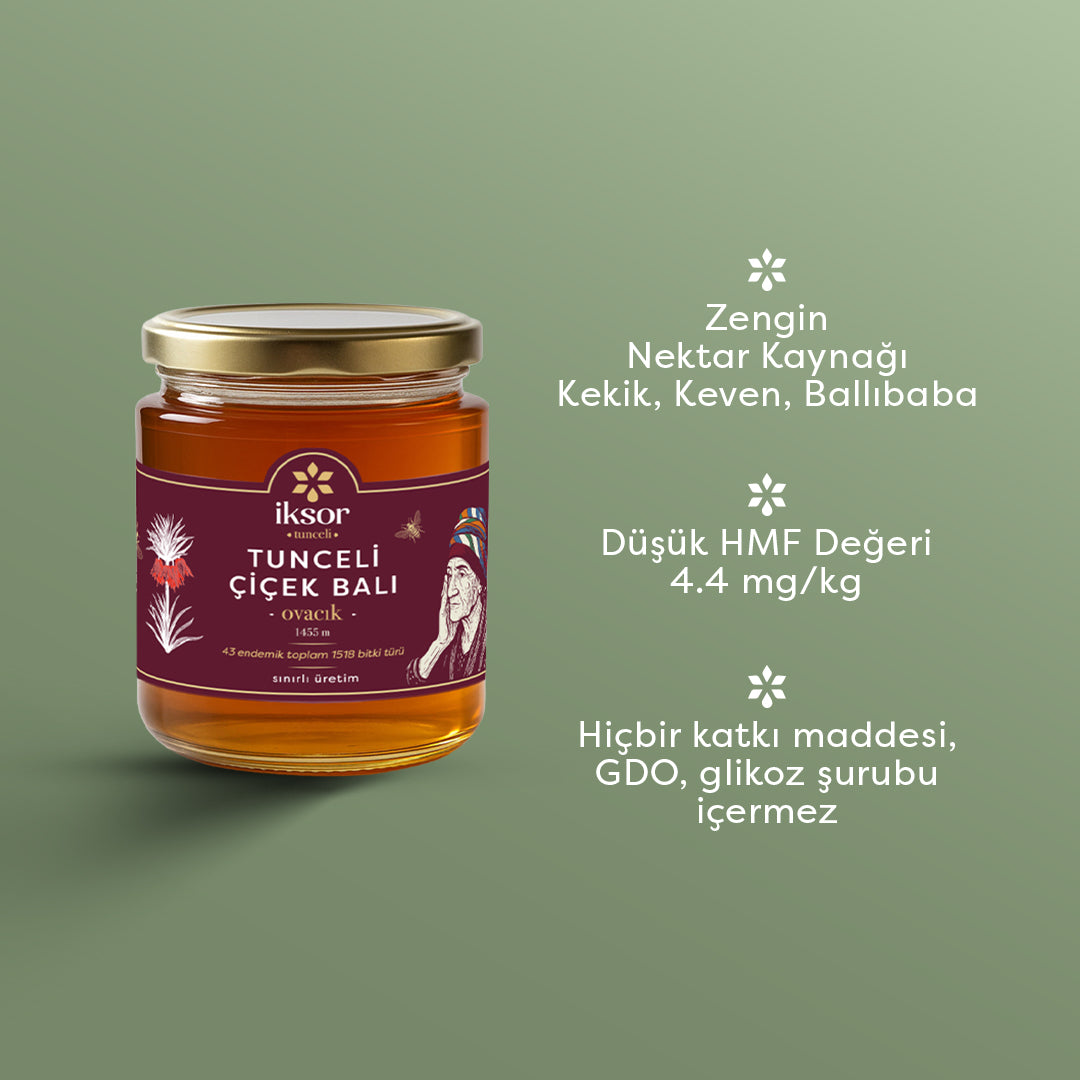
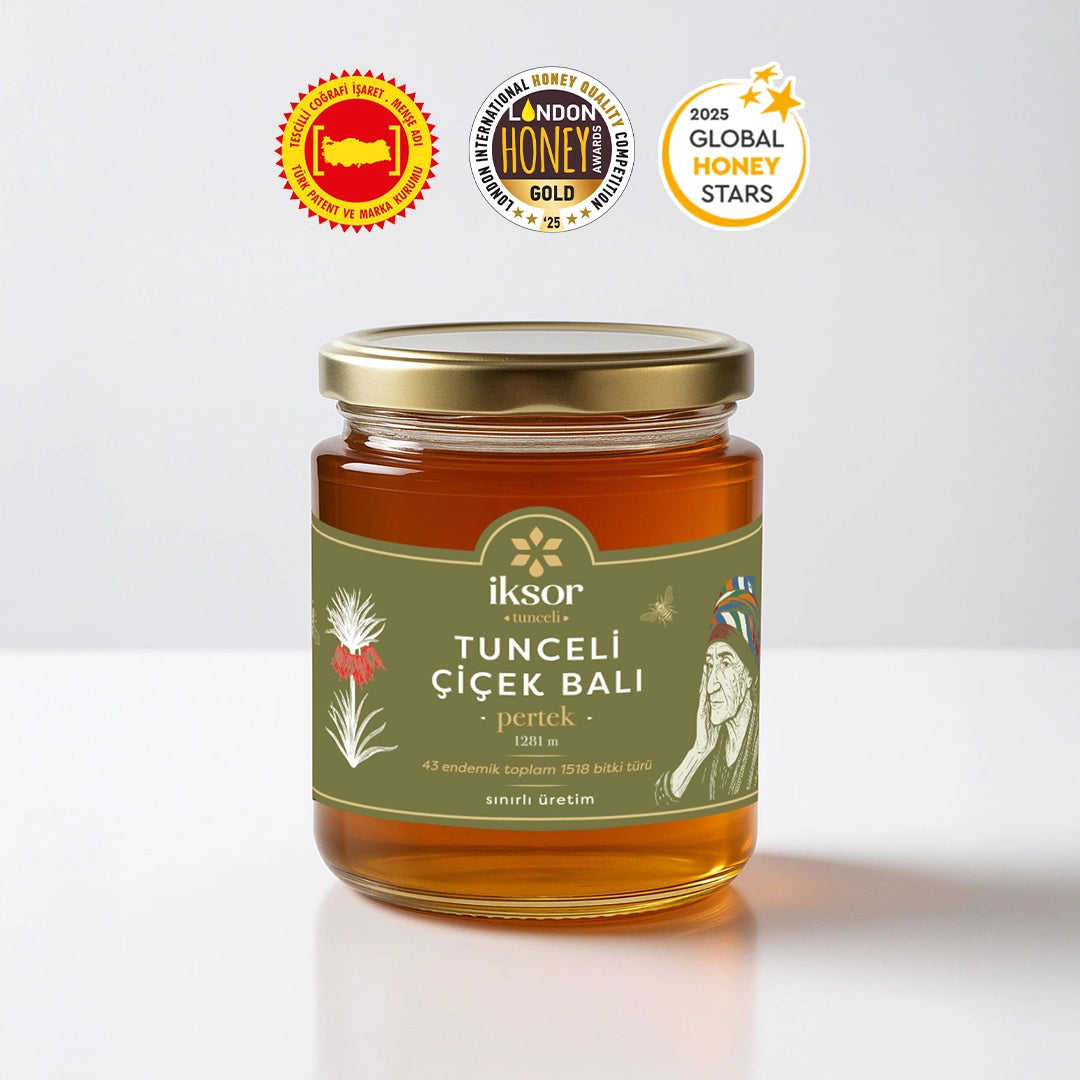

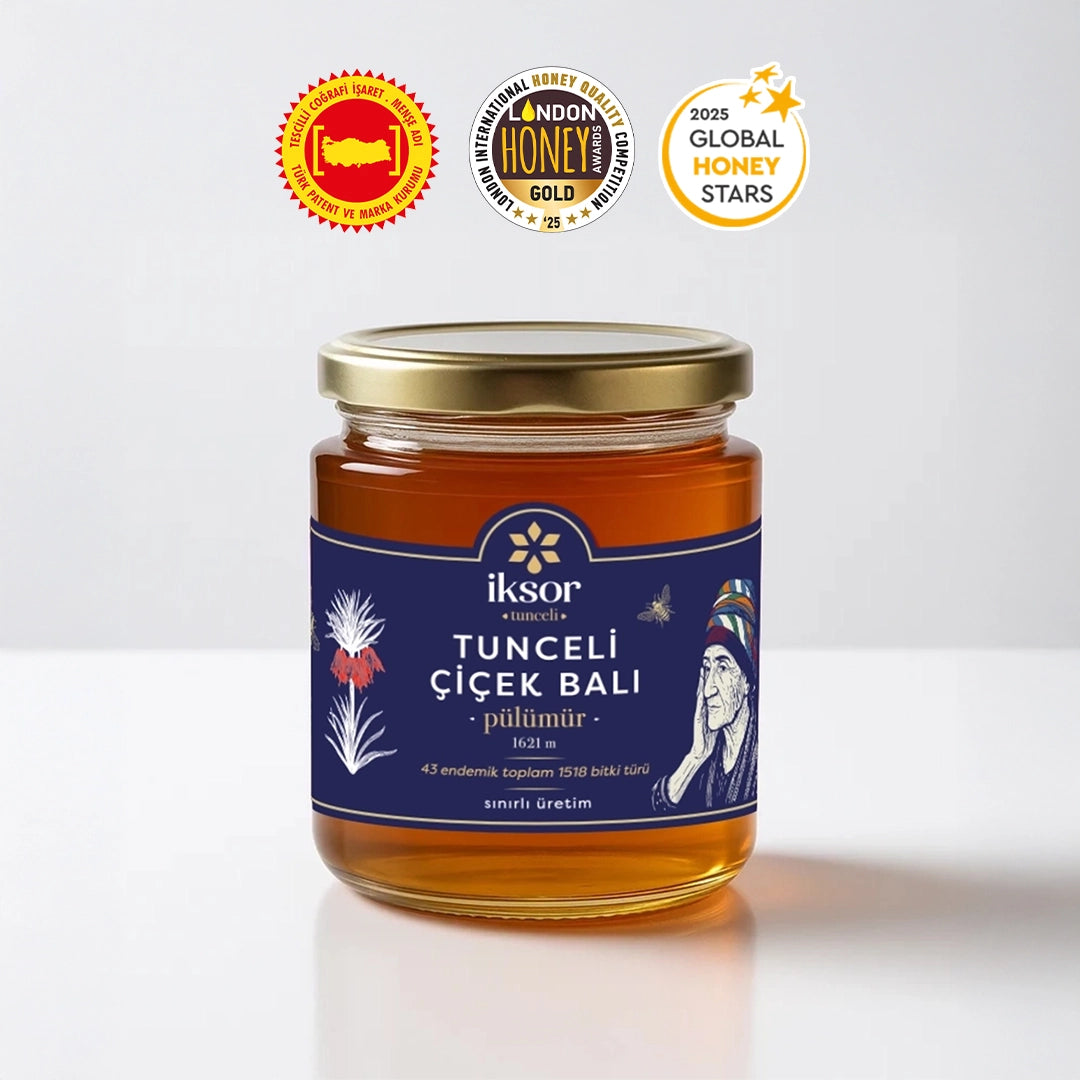


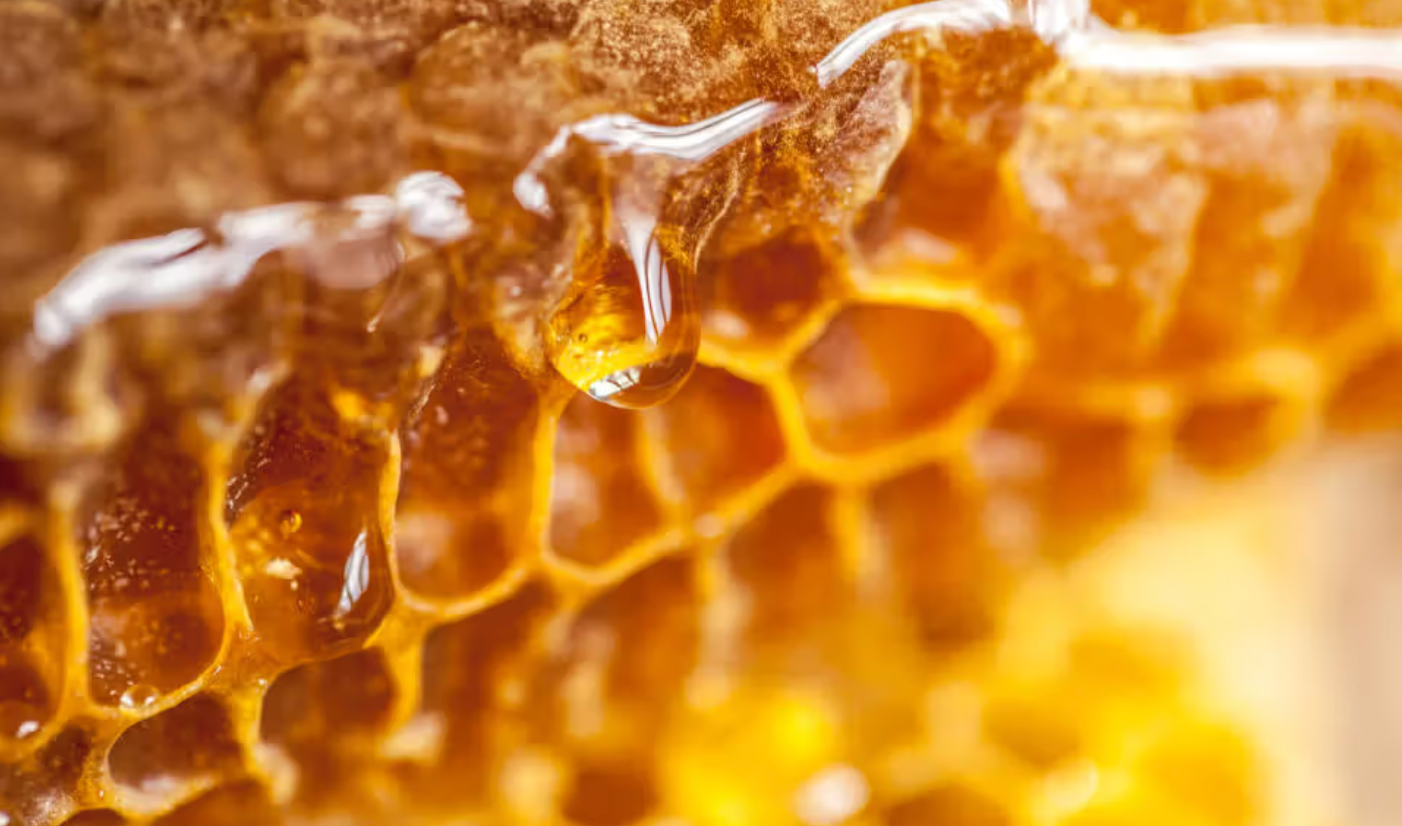

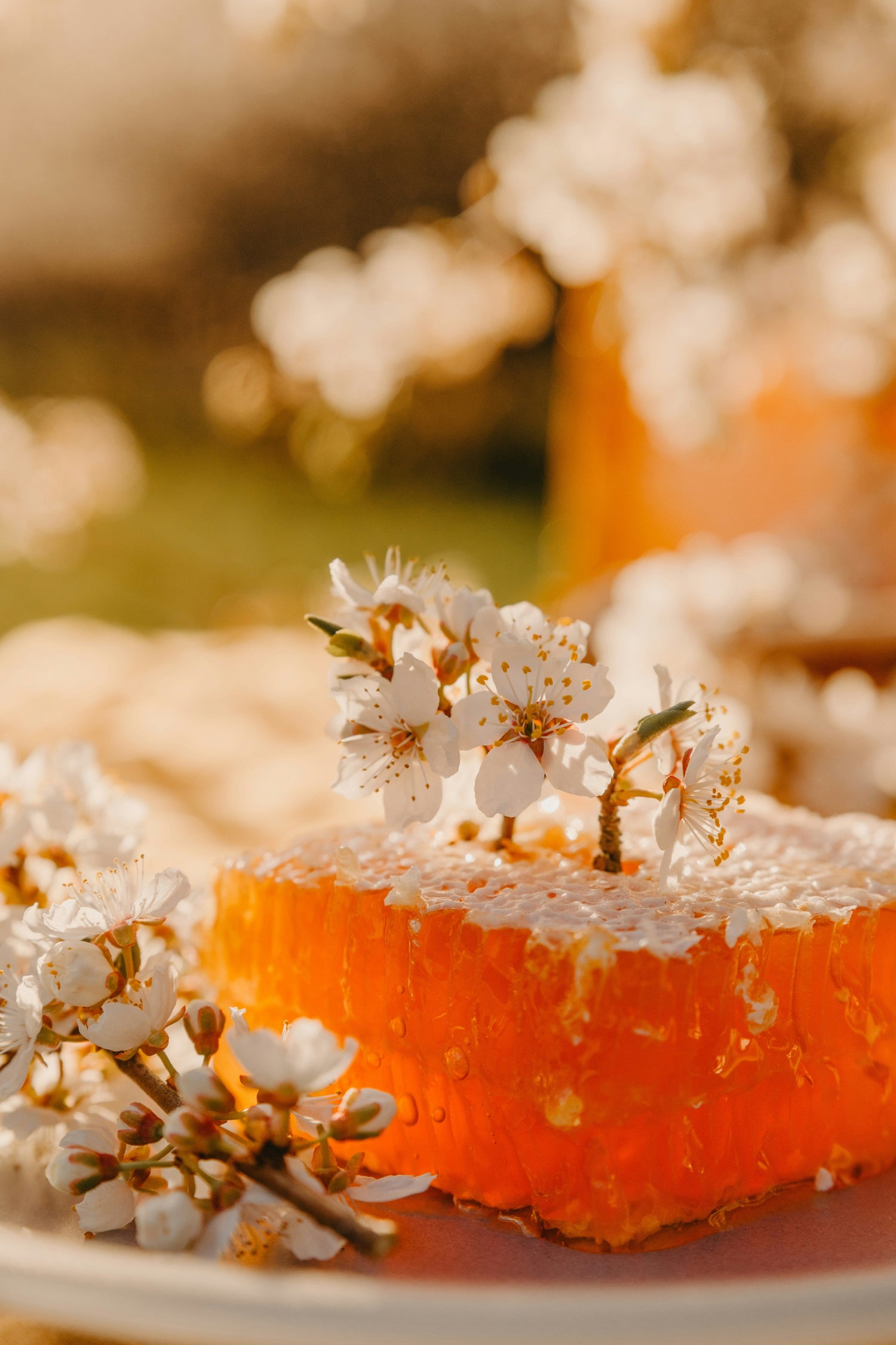
The cool waters of Munzur, the scent of mountain thymes, bees bustling in the shade of the mountains… In Tunceli, honey is not just a food, it is the golden drop of a healing tradition that has been passed down from mouth to mouth for millennia.
But it's time to discuss something: Where does artisanal honey begin and store-bought honey end? How reliable are the jars we see on the shelves? How real are their contents? How did that golden drop of healing fall victim to a race for labels, cheap sweeteners, and fake sugar syrups?
Buying honey today isn't just about buying a sweet breakfast; it's about trusting in a region, a flora, and a labor of love. That's why the hives overflowing with Tunceli's flowers, mountains, and plateaus are so distinctive. Every hive, every drop of honey bears the traces of Munzur's cold water, mountain thyme, and inverted tulips. Iksor doesn't offer these traces to your table without analysis or inspection. Because we know that pure honey is the pride of the region.
Turkey is the world's second-largest honey producer. Unfortunately, it maintains the same level of popularity when it comes to adulteration (counterfeiting). Fake honey, adulterated honey, glucose syrup… The shelves are full. What's left? Food traceability. This is the consumer's responsibility. To monitor, question, and question every drop…
Honey produced by Tunceli's mountains, flora, and climate can still be pure. As long as we support it, understand it, and ensure its value is preserved. Pure honey isn't a dream, but it will be if we don't protect it.
Greetings to those who follow pure honey!